Your Reliable Partner for Sustainable Energy Solutions
Partner with us for fast, dependable supply of low, medium, and high-voltage equipment – backed by wide stock, competitive pricing, expert project support, and a commitment to quality and sustainability.
About Us
We are a specialized supplier of electrical equipment , providing
comprehensive solutions for low voltage (LV), medium voltage (MV) and high voltage (HV) systems. Our goal is to support Your projects with fast, dependable and cost-effective access to quality equipment – helping them build and maintain reliable energy infrastructure.
With years of experience in the sector, we offer both new and refurbished products from trusted domestic and international brands. Our wide stock, quick delivery capability and project-specific support make us a preferred partner for customers who value reliability, speed and long-term performance.
Mission
To be the trusted and preferred supplier of low, medium, and high-voltage electrical equipment, delivering fast, reliable, and cost-effective solutions that support our customers in building resilient and sustainable energy infrastructure across industrial, renewable, and utility projects.
Vision
To become the leading regional partner in power distribution solutions, recognized for innovation, exceptional service, and a commitment to quality and sustainability—empowering a future where energy systems are efficient, dependable, and environmentally responsible
Our Services
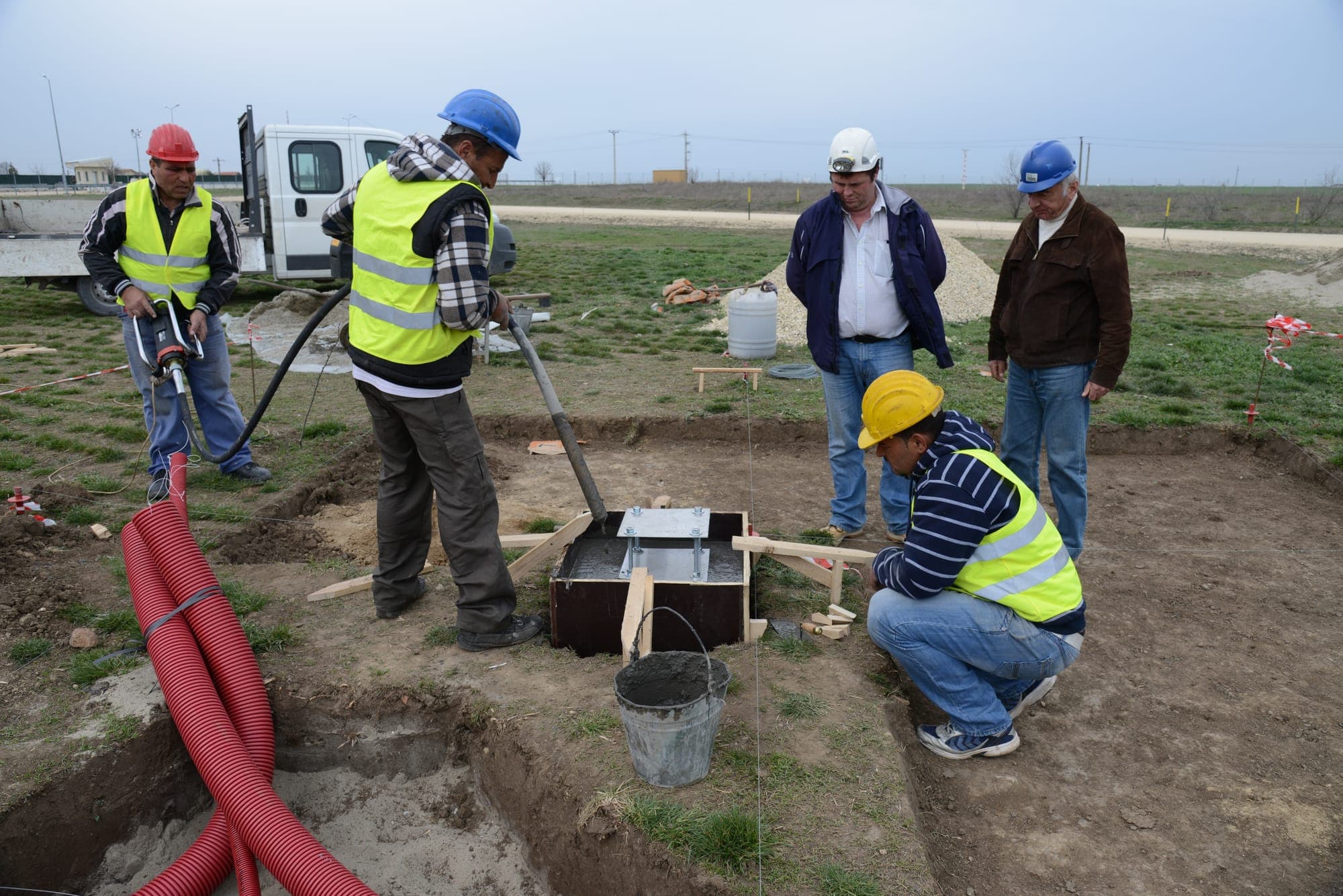
Turn-Key Contracting and EPC (Engineering, Procurement, Construction, Comissioningt) services provide complete, ready-to-operate solutions for energy and industrial projects. We handle the entire process from concept to commissioning: detailed engineering design, equipment procurement, civil and electrical construction, installation, testing, commissioning, training, and handover. The client receives a fully functional substation, switchyard, or power infrastructure with a single point of responsibility, fixed timeline, and performance guarantees — minimizing risks, coordination effort, and operational delays.
Turn-Key Contracting & EPC Services
Engineering
Full detailed design, load flow & short-circuit calculations, protection coordination studies, single-line diagrams, layout drawings, earthing & lightning protection design, cable sizing & routing, civil/structural calculations, and 3D modeling/BIM. All compliant with IEC, IEEE, and local regulations.
Procurement
Sourcing, purchasing, factory inspection, quality control, logistics, customs clearance, and timely delivery of all equipment (transformers, switchgear, cables, relays, etc.) from trusted domestic and international manufacturers. We manage vendor qualification, technical compliance, and cost optimization.
Construction
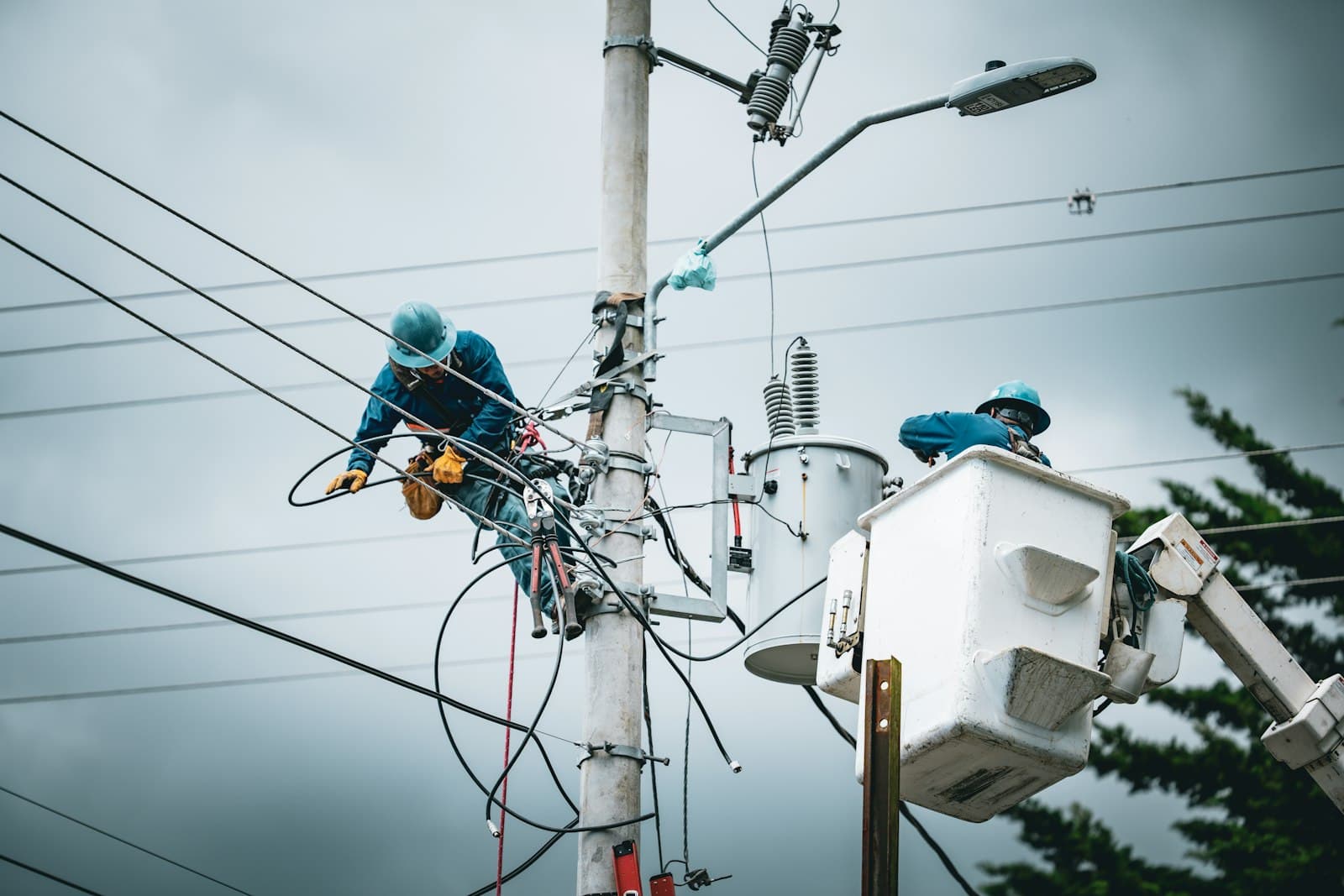
Site preparation, civil works (foundations, trenches, buildings), electrical installation (cable laying, termination, busbar erection, earthing), structural steel mounting, equipment erection, testing of individual components, and mechanical completion.
Commissioning
Pre-commissioning tests (insulation resistance, contact resistance, ratio/polarity, CT/VT excitation, breaker timing, relay injection), cold/hot commissioning, functional & interlock checks, no-load & load energization, synchronization, performance acceptance tests, as-built documentation, operator training, and final handover with warranty period support.
Our Products
We proudly supply premium, brand-new electrical equipment across low, medium, and high voltage ranges — sourced exclusively from the most trusted domestic and international manufacturers. Every product undergoes rigorous factory testing and strict quality controls to deliver unmatched reliability, superior performance, and long-term durability for your most demanding energy projects. Power your future with confidence — the best starts here.
gas-insulated, and air-insulated types with breaking capacities up to 63 kA and short-circuit ratings up to 50 kA), disconnectors/isolators (pantograph, center-break, and double-break models rated for 72.5 kV to 420 kV, with current capacities from 1,250 A to 4,000 A), surge arresters/lightning arresters (polymer-housed metal-oxide types for protection against overvoltages, available in ratings from 36 kV to 420 kV with energy absorption up to 10 kJ/kV), busbar systems (rigid and flexible aluminum or copper configurations for currents up to 5,000 A), instrument transformers (current transformers/CTs and voltage transformers/VTs with accuracy classes 0.2 to 5P, ratios from 100/1 A to 2,000/1 A for CTs and 36 kV to 380 kV for VTs), and complete GIS/AIS switchgear assemblies (gas-insulated or air-insulated, modular designs for indoor/outdoor installation with fault current limiting up to 40 kA). All items comply with IEC 62271 and ANSI standards, featuring advanced insulation materials for harsh environments, and are suitable for renewable energy grids, organized industrial zone, and utility networks—delivering seamless integration and minimal maintenance needs.
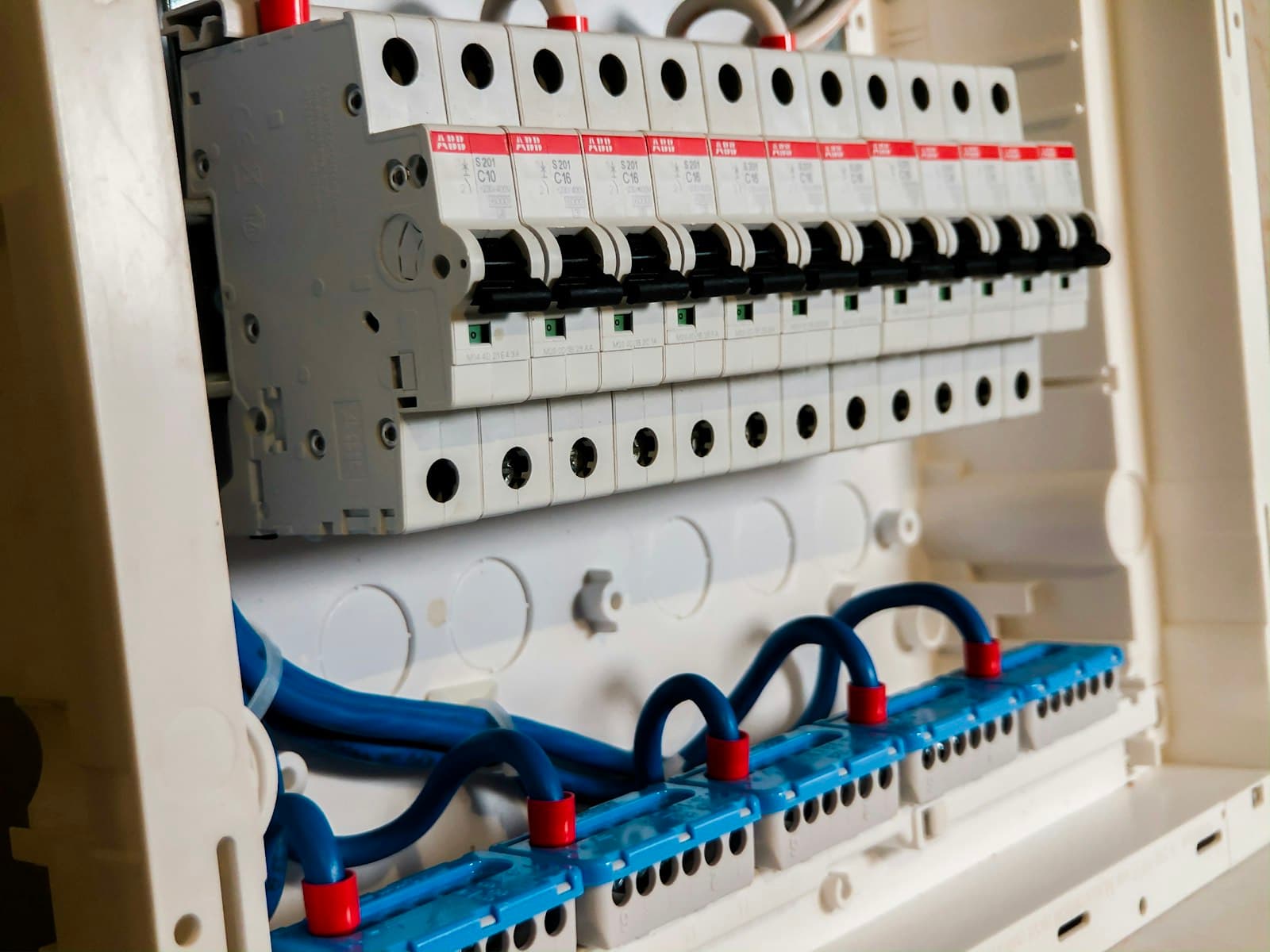
MV/LV lineup includes MV switchgear (metal-clad and metal-enclosed types like RMU/ring main units and GIS/AIS cells, rated 6 kV to 36 kV with short-circuit withstand up to 31.5 kA and busbar currents to 2,500 A), circuit breakers (vacuum and SF6 models for MV with breaking capacities 16-40 kA), protection relays (digital multifunction relays like ABB REF/RET series for overcurrent, earth-fault, and differential protection, supporting IEC 61850 communication protocols), LV switchboards and distribution panels (modular MCC/motor control centers and main distribution boards rated up to 1,000 V AC, with current capacities from 630 A to 6,300 A and IP54 protection), contactors and fuses (electromagnetic contactors for loads up to 1,000 A and high-rupturing capacity fuses for short-circuit protection up to 100 kA), and cable termination kits (heat-shrink and cold-shrink types for MV cables up to 36 kV). These products adhere to IEC 61439 and UL standards, incorporating smart IoT-enabled monitoring for predictive maintenance, and are ideal for industrial plants, commercial buildings, and renewable installations—ensuring energy efficiency, reduced downtime, and scalable expansion.
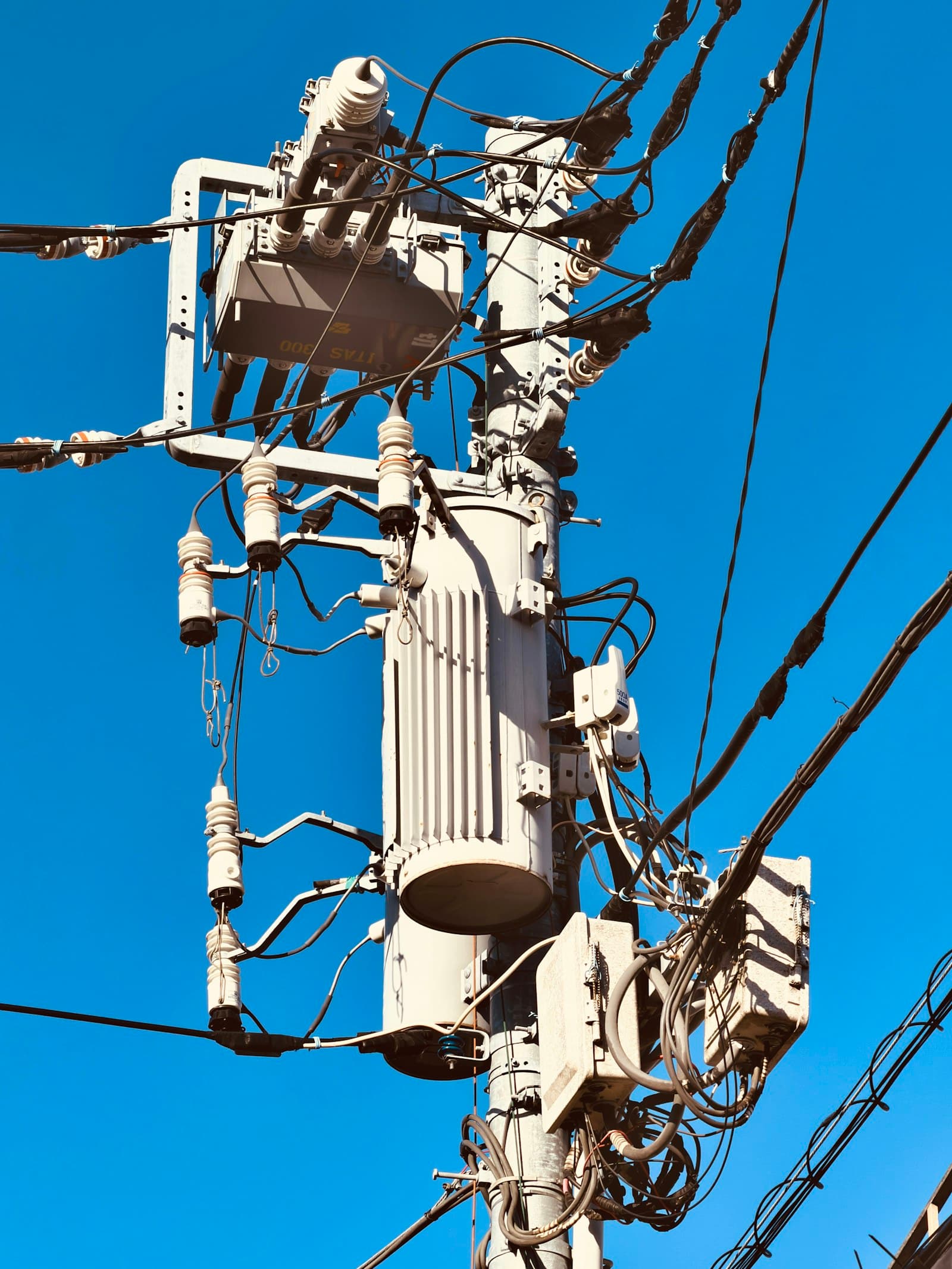
We supply a full spectrum of transformers, including power transformers (oil-immersed and dry-type for HV applications, rated 36 kV to 380 kV with capacities from 10 MVA to 500 MVA, efficiency up to 99.5%, and impedance 8-12%), distribution transformers (pole-mounted or pad-mounted for MV/LV networks, rated 1 kV to 36 kV with capacities 25 kVA to 5 MVA, low-noise designs under 55 dB, and eco-friendly ester oil options), auto-transformers (for voltage regulation in transmission lines, 72.5 kV to 245 kV, with on-load tap changers for ±10% adjustment), and specialty transformers (rectifier types for industrial DC loads up to 36 kV input and grounding transformers for neutral point stabilization). Compliant with IEC 60076 and IEEE C57 standards, they feature advanced core materials like amorphous steel for reduced no-load losses (down to 0.15%), vector group configurations (e.g., Dyn11, Yyn0), and cooling systems (ONAN/ONAF for natural/forced air). Perfect for substations, renewables, and factories—these transformers minimize energy waste, enhance grid stability, and support long-term operational excellence.
Resistor and capacitor banks include neutral grounding resistors (NGR panels for limiting fault currents in MV/HV systems, rated 6 kV to 36 kV with resistance values from 1 Ω to 1,000 Ω and time ratings up to 30 seconds, stainless steel or nichrome elements for corrosion resistance), damping resistors (for surge suppression in HV lines up to 380 kV, with power dissipation up to 100 MJ), capacitor banks (fixed or switched types for power factor correction, rated 400 V to 36 kV with capacities 50 kvar to 5 Mvar, detuned reactors to prevent harmonics at 5-14% levels), and harmonic filter banks (passive LC configurations for mitigating 5th/7th harmonics in industrial loads, up to 1,000 A continuous current). Adhering to IEC 60143 and IEEE 18 standards, they incorporate automatic controllers for dynamic switching, surge protection modules, and modular designs for easy scalability. Ideal for utilities, factories, and renewables—these banks improve voltage regulation, reduce penalties from poor power factor (targeting >0.95), and extend equipment life through harmonic-free operation.
Dead Tank Circuit breakers are designed for reliable performance, maximized safety, and to operate within extreme environmental conditions including high elevation, very low and high temperatures (-60 °C to +60 °C ), seismic zones, polluted areas, and corrosive atmospheres.
♦ Rated voltage: up to 550 kV
♦ Rated continuous current: up to 5000 A
♦ Rated short-time withstand current: up to 63 kA
Hybrid CB.
Hybrid compact switchgear consists of circuit breakers, disconnectors, and earthing switches located in a common gas tank. Adding Current and voltage transformers gives us One solution.
♦ Rated voltage: up to 550 kV
♦ Rated continuous current: up to 5000 A
♦ Rated short-time withstand current: up to 63 kA
Live Tank CB.
Live Tank Circuit Breakers is the most commonly used and cheap type of C.B in the substation due to its design. It can be used in the energy field even in highly seismic, highly polluted, and low-temperature environments.
♦ Rated voltage: up to 800 kV
♦ Rated continuous current: up to 5500 A
♦ Rated short-time withstand current: up to 63 kA
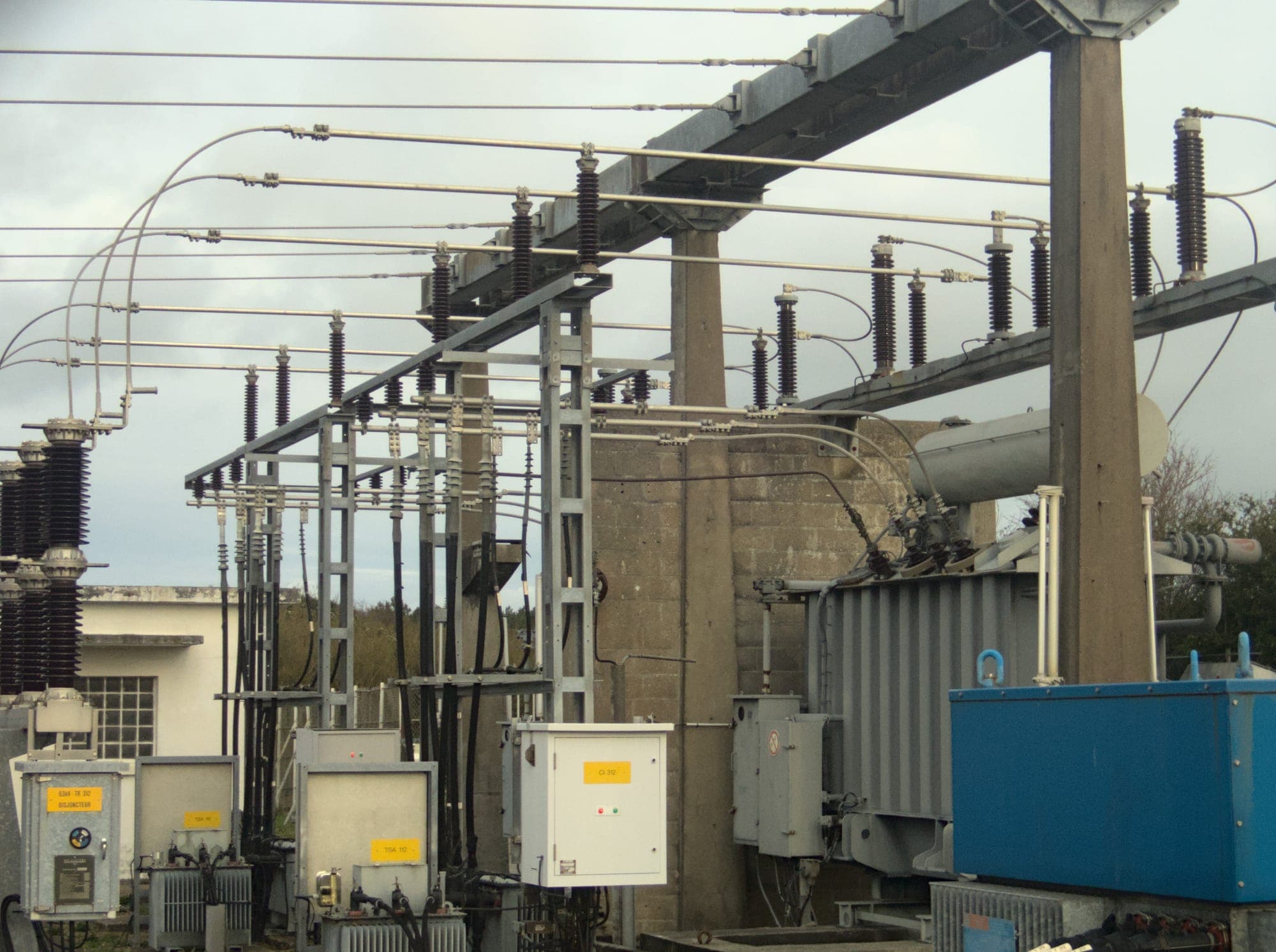
HV Disconnector Switches
Centre Break
The center-break disconnector has two contact arms open and closes the circuit at the midpoint between two insulators. This is the most commonly used and cheap type of disconnector in the substation due to its design.
♦ Rated voltage: up to 550 kV
♦ Rated continuous current: up to 6300 A
♦ Rated short-time withstand current: up to 63 kA
Double Break
The double-break disconnector has one arm moved by the central insulator supporting it and closes the circuit on two fixed contacts, each of them placed on one of the two side insulators.
♦ Rated voltage: up to 550 kV
♦ Rated continuous current: up to 6300 A
♦ Rated short-time withstand current: up to 63 kA
Vertical Break
The vertical-break disconnector . one side connected to support and another side of the contact move vertically and open to consists of one arm which, by moving on the plane of the insulators supporting it. The vertical operating mechanism makes phase-to-phase spacing is minimized. It is a good solution for mobile substations and special applications.
♦ Rated voltage: up to 550 kV
♦ Rated continuous current: up to 6300 A
♦ Rated short-time withstand current: up to 63 kA
Pantograph
The pantograph disconnector has two joined half-arms and they are moving in vertically on the plane of the insulators, close the circuit on a fixed contact connected to the upper busbar.
Pantograph disconnectors allow minimizing the substation area and ensure the maintenance of the bay without putting the upper busbar out of service.
♦ Rated voltage: up to 550 kV
♦ Rated continuous current: up to 6300 A
♦ Rated short-time withstand current: up to 63 kA
HV Instrument Transformers
H.V. Current Transformers
Current Transformers must convert high transmission line currents (up to 5000 A) to standardized low and easily measurable values, which will be used for metering, protection, and control of the high voltage system. As such, the need for accurate and reliable current transformation is essential. LMZ can supply Tank Type, Inverted Type, and Bushing Type Oil-Paper Insulated Current Transformers up to 550 kV to reducing the line Current to small magnitudes.
♦ Types: Bushing type, Inverted type, a Tank type
♦ Rated voltage: up to 550 kV
♦ Rated continuous current: up to 5000 A
H.V. Voltage Transformers
Voltage Transformers must convert transmission class voltages to standardized low and easily measurable values, which will be used for metering, protection, and control of the high voltage system. As such, the need for accurate and reliable voltage transformation is essential.
♦ Capacitive Voltage Transformers (CVTs)
(CVTs) have been widely used within transmission power systems for applications ranging from high-voltage to ultra-high-voltage. CVTs are primarily used for voltage measurement, providing voltage signals to metering units, protection relay devices, and automatic control devices. Additionally, Capacitor Voltage Transformers serve as a coupling capacitor for coupling high-frequency power line carrier signals to the transmission line.
♦ Inductive Voltage Transformers (IVT)
(IVT), are used for voltage metering and protection in high voltage network systems. They transform the high voltage into low voltage adequate to be processed in measuring and protection instruments secondary equipment, such as relays and recorders).
HV Surge Arrester
HV Surge arresters are the primary protection types of equipment against atmospheric and switching overvoltages for Protection of;
♦ AIS, GIS substation equipment,
♦ HVDC protection,
♦ Protection of series capacitor banks,
♦ Protection of cables,
♦ Protection of transmission lines
HV Other Equipments and Accessories
♦ Overhead Line Hardware Fittings
♦ Different Type of Insulators
♦ HV busbars, joints, and connectors
♦ Line Traps
MV/LV Equipments
Medium Voltage Switchgears
LSC2A Metal Enclosed Switchgears
Air-insulated medium-voltage switchgear (1–52 kV) designed for reliable power distribution and control. Classified as LSC2A per IEC 62271-200: when one compartment is opened for maintenance, the main busbar remains energized and adjacent panels continue to operate — providing high service continuity without shutting down the entire system.
Key Features:
Service Continuity: LSC2A category – busbar stays live during maintenance of a single functional unit; only the affected circuit is isolated and earthed.
Applications: Industrial plants, organized industrial zones (OSBs), utility substations, and renewable energy projects – ideal for cost-effective, safe, and low-maintenance installations.
LSC2B Metal Clad Type Switchgears
Air-insulated medium-voltage metal clad switchgear (typically 1–52 kV) designed for high reliability and maximum service continuity in power distribution. Classified as LSC2B per IEC 62271-200: when a compartment (e.g., circuit breaker) is opened for maintenance, the main busbar and cable/connection compartment remain energized, and adjacent panels continue operating — offering the highest level of service continuity without full system shutdown.
Key Features:
Service Continuity: LSC2B category – highest level; cable compartment stays live during access to other compartments (e.g., switching device), with full isolation and earthing only where needed.
Typical Ratings: 12–36 kV (up to 40.5 kV) rated voltage, 630–2500 A rated current, 16–40 kA short-circuit withstand (1–3 s), internal arc classified (IAC AFLR up to 40 kA/1 s).
Applications: Critical installations like utilities, industrial plants, data centers, renewables, and OSBs — ideal for minimal downtime, enhanced safety (PM metal partitions), and long-term performance.
Ring Main Unit (RMU)
Compact, factory-assembled, metal-enclosed medium-voltage switchgear designed for ring-type or loop-fed distribution networks. It integrates switching, protection, and isolation functions in a sealed, maintenance-free unit (often SF6 gas-insulated) to ensure reliable secondary power distribution with high uptime — even during faults or maintenance in one part of the ring.
Key Features:
Service Continuity & Design: Provides loop redundancy for continuous supply; sealed enclosure (gas/air/oil insulated) for compact size, safety, and minimal maintenance — typically non-withdrawable or modular.
Typical Ratings: 7.2–36 kV rated voltage (most common: 12 kV, 17.5 kV, 24 kV, 36 kV), 630–1250 A rated current (busbar/feeders), 16–25 kA short-circuit breaking/making capacity (peak up to 63 kA).
Applications: Urban/rural distribution networks, industrial plants, OSBs, renewable energy connections, and substations — ideal for space-limited areas needing reliable fault isolation and quick restoration.
LSC1 Speacial Solutions
LSC2 Gas Insulated Switchgears
Low Voltage Panels
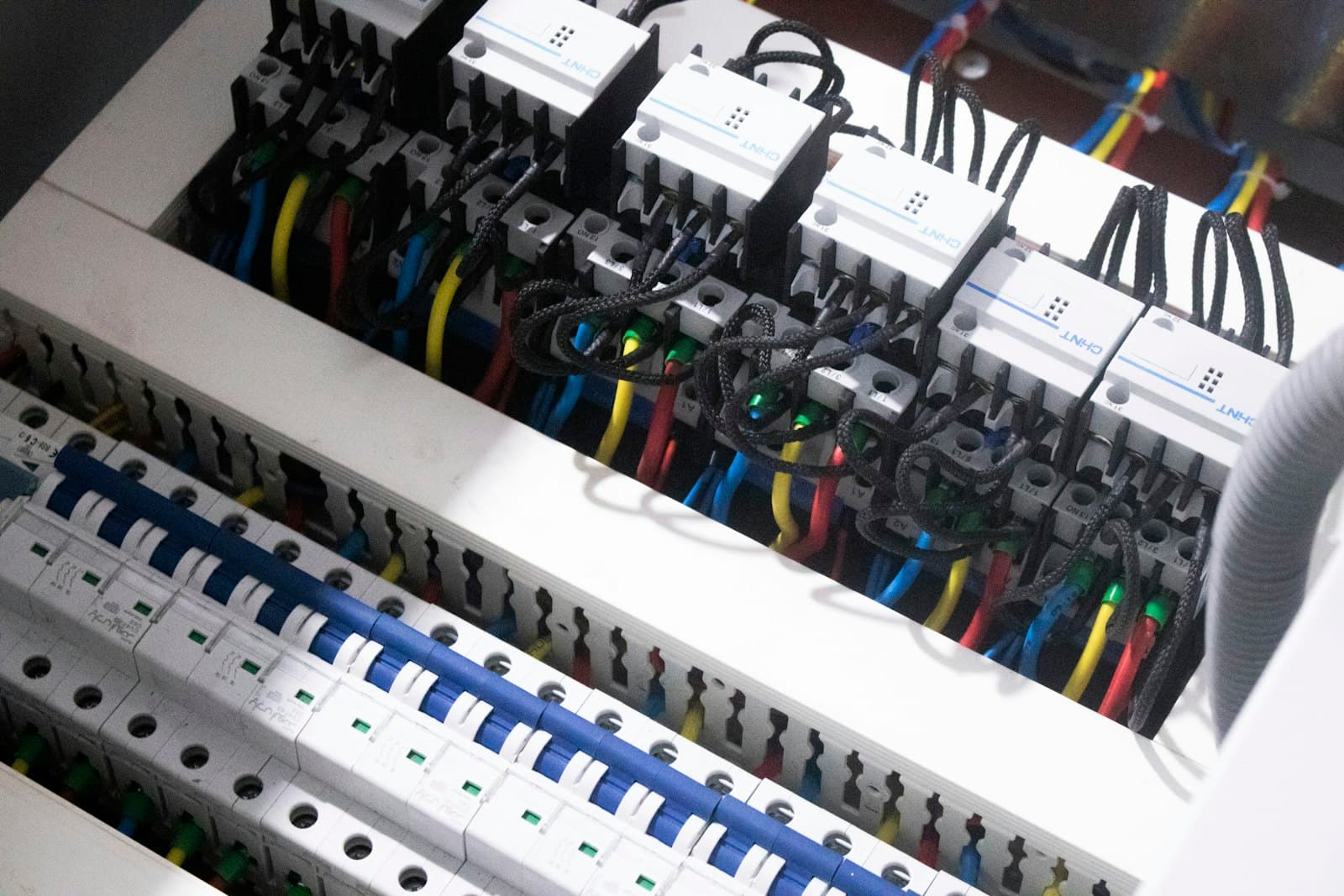
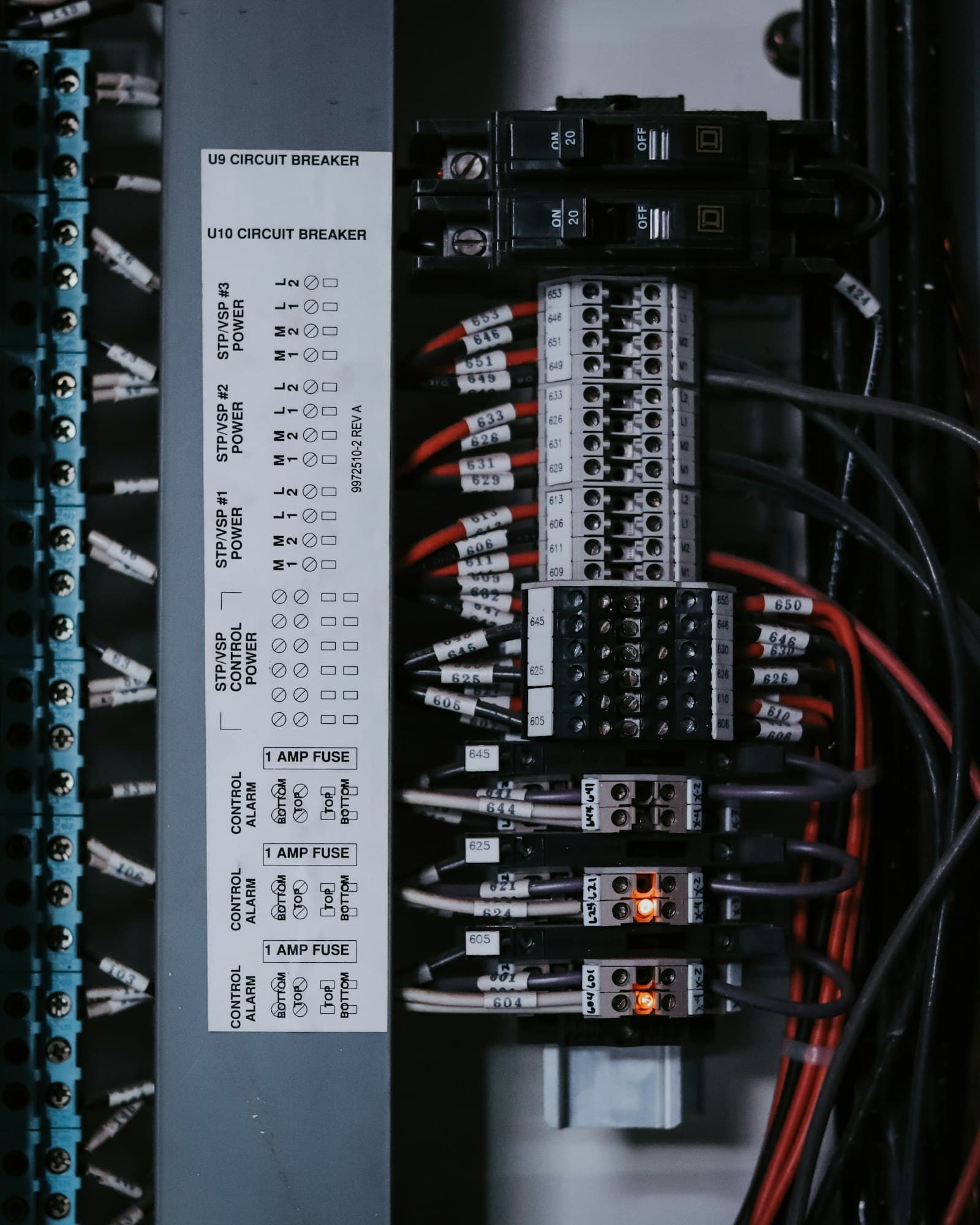
Low Voltage (LV) Panels, also known as switchboards, distribution boards, or MCC (Motor Control Centers), are the backbone of power distribution in buildings, factories, and facilities. They safely distribute, control, protect, and monitor electrical power from the main incoming supply down to final loads (motors, lighting, outlets, etc.). We supply premium, brand-new LV panels built with high-quality components for maximum safety, reliability, and ease of maintenance in industrial, commercial, and utility applications.
Key Features:
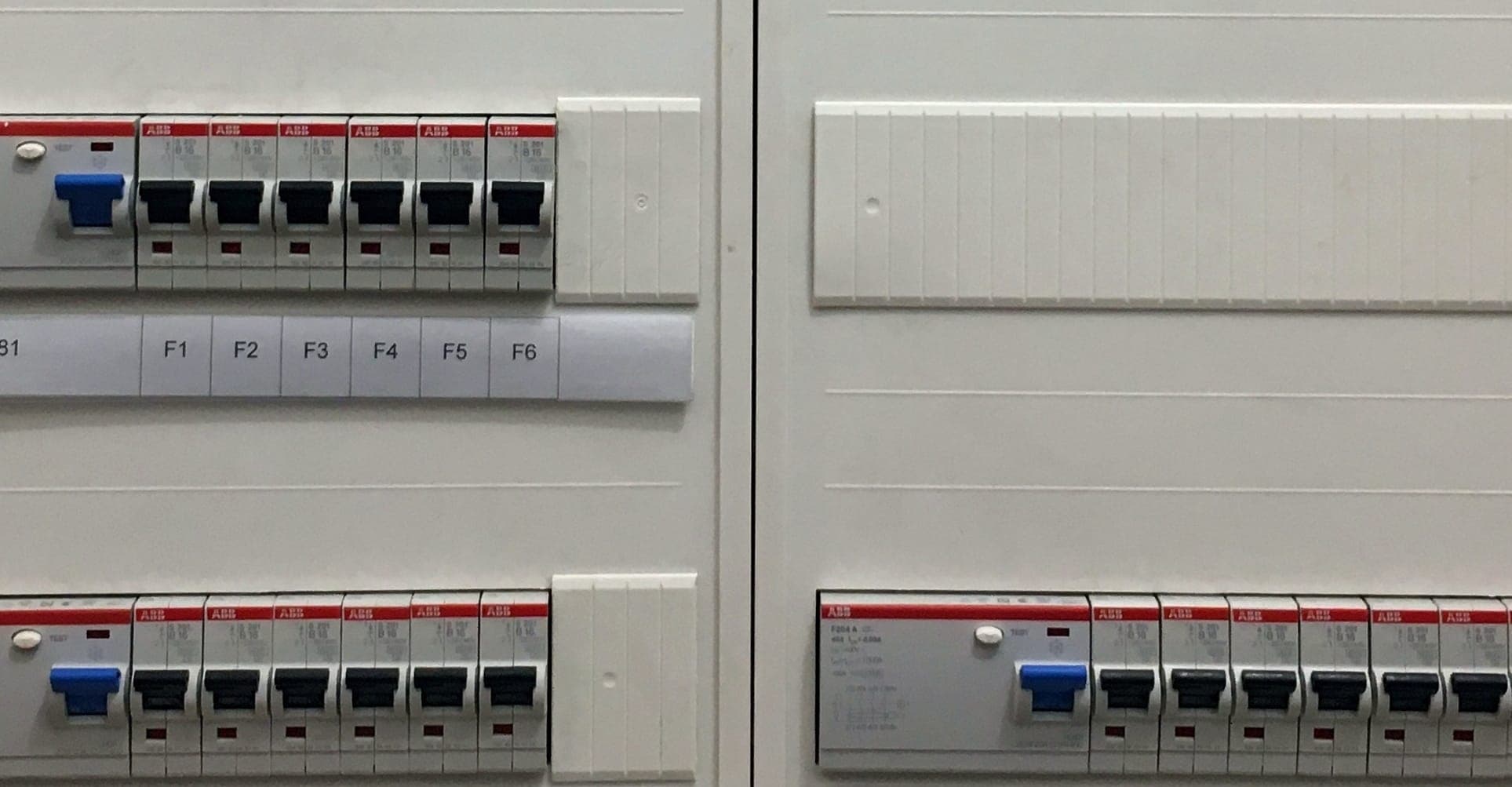
Types & Configurations: Main Distribution Boards (MDB), Sub-Distribution Boards (SDB), Motor Control Centers (MCC – fixed, withdrawable, intelligent), Power Factor Correction Panels, Control & Automation Panels, ATS (Automatic Transfer Switch) panels.
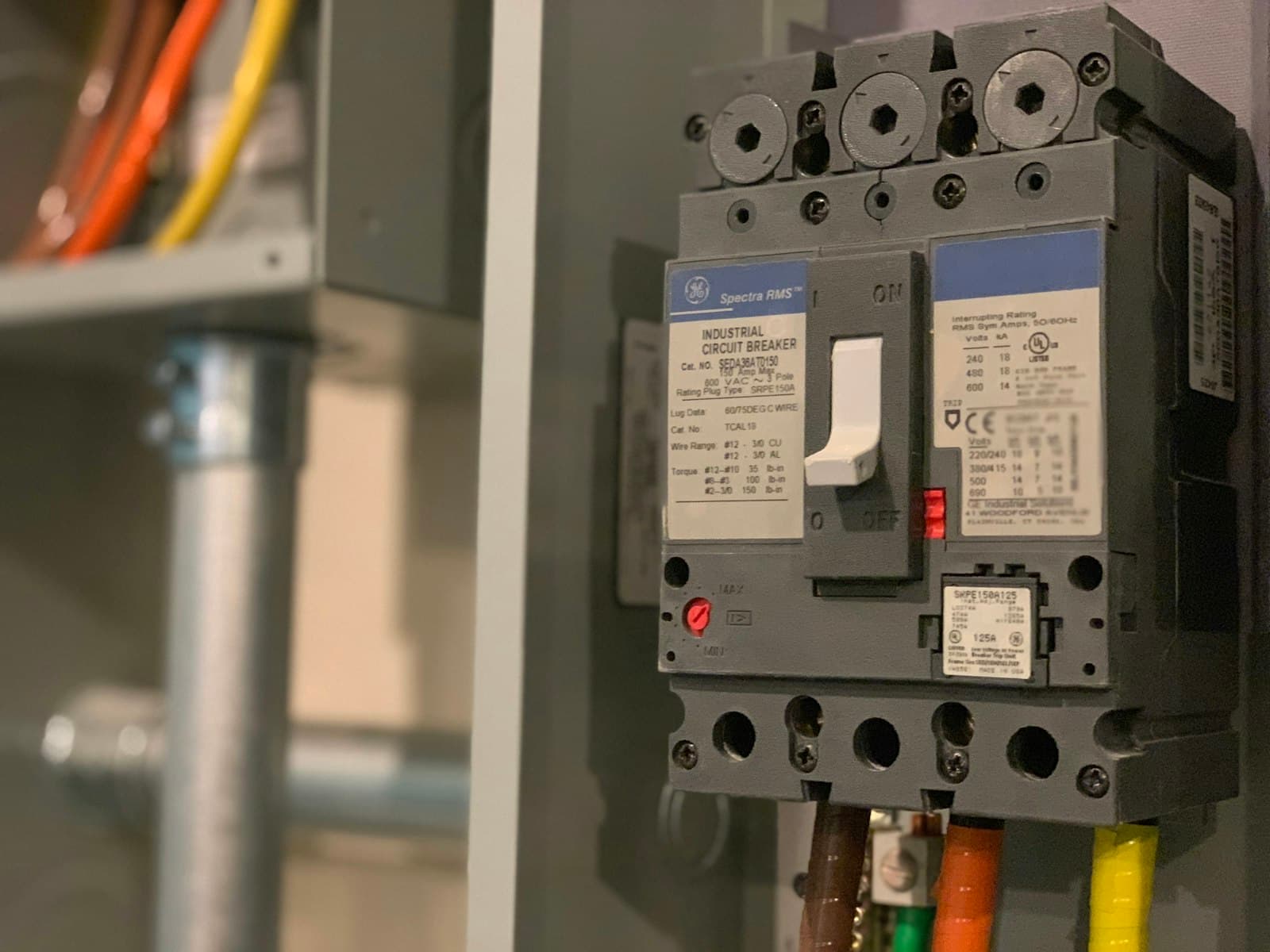
Typical Ratings: Rated voltage up to 1000 V AC (most common 400/690 V), rated current 100–6300 A (busbar), short-circuit withstand up to 100 kA / 1 s, protection degree IP31–IP54 (indoor) or higher for outdoor.
Protection & Components: Molded case circuit breakers (MCCB), air circuit breakers (ACB), miniature circuit breakers (MCB), residual current devices (RCD/RCCB), contactors, overload relays, metering & monitoring devices (multifunction meters, energy analyzers), busbar systems (copper/aluminum, insulated or bare).
Standards Compliance: IEC 61439 (low-voltage switchgear and controlgear assemblies – main standard), IEC 60947 series (individual devices), IEC 61643 (surge protection), touch-safe design, arc flash mitigation options.
Applications: Industrial plants, organized industrial zones (OSBs), data centers, hospitals, commercial buildings, renewable energy facilities — ideal for safe power distribution, motor starting/control, energy monitoring, and system reliability.
Circuit Breakers and Contactors
Circuit breakers and contactors are essential switching and protection devices in electrical distribution systems. Circuit breakers provide automatic protection by interrupting fault currents (overload/short-circuit), while contactors are primarily for frequent on/off switching of loads (e.g., motors), often controlled remotely or automatically. We supply premium, brand-new models from trusted manufacturers, covering low, medium, and high-voltage applications for reliable performance in industrial, utility, and renewable projects.
Key Features:
Circuit Breakers: Protect against faults with high breaking capacity; vacuum, SF6, or air types available. Typical ratings: LV (up to 1 kV, 630–6300 A, 25–100 kA short-circuit); MV (12–36 kV, 630–4000 A, 16–50 kA); HV (72.5–420 kV, high current ratings per IEC). Standards: IEC 60947-2 (LV), IEC 62271-100 (MV/HV).
Contactors: Handle frequent switching of motors and loads; AC/DC coils, auxiliary contacts for control. Typical ratings: LV (up to 690–1000 V, 9–2650 A Ie, utilization categories AC-1/AC-3/AC-4). Standards: IEC 60947-4-1 (industrial contactors), with mechanical/electrical life up to millions of operations.
Applications: Circuit breakers for protection in substations/distribution; contactors for motor control in panels/MCCs. Combined in systems for safe, efficient power management.
Advantages: Rigorously tested for durability, low maintenance, and compliance — ensuring minimal downtime and long-term reliability in critical infrastructure.
Load Break and Disconnector Switches, Cutout Fuse Switches
These are essential switching and protection devices in medium-voltage (MV) and low-voltage (LV) distribution systems. Load break switches interrupt normal load currents safely under energized conditions, while disconnector (isolator) switches provide visible isolation for maintenance (no load-breaking capability). Cutout fuse switches combine load-break or isolation with fuse protection for overcurrent/fault interruption. We supply premium, brand-new models from leading manufacturers for reliable, safe operation in utility, industrial, and renewable applications.
Key Features:
Load Break Switches: Designed to make/break normal load currents (with or without fuse). Typical ratings: 12–36 kV, 200–630 A rated current, 400–630 A breaking capacity, often SF6 or vacuum insulated. Standards: IEC 62271-103 (switches), IEC 62271-105 (fuse-switch combinations).
Disconnector (Isolator) Switches: Provide visible open/closed position for safe maintenance; no load-breaking. Typical ratings: 12–72.5 kV (MV/HV), 630–3150 A continuous current, motor-operated or manual. Standards: IEC 62271-102 (high-voltage disconnectors and earthing switches).
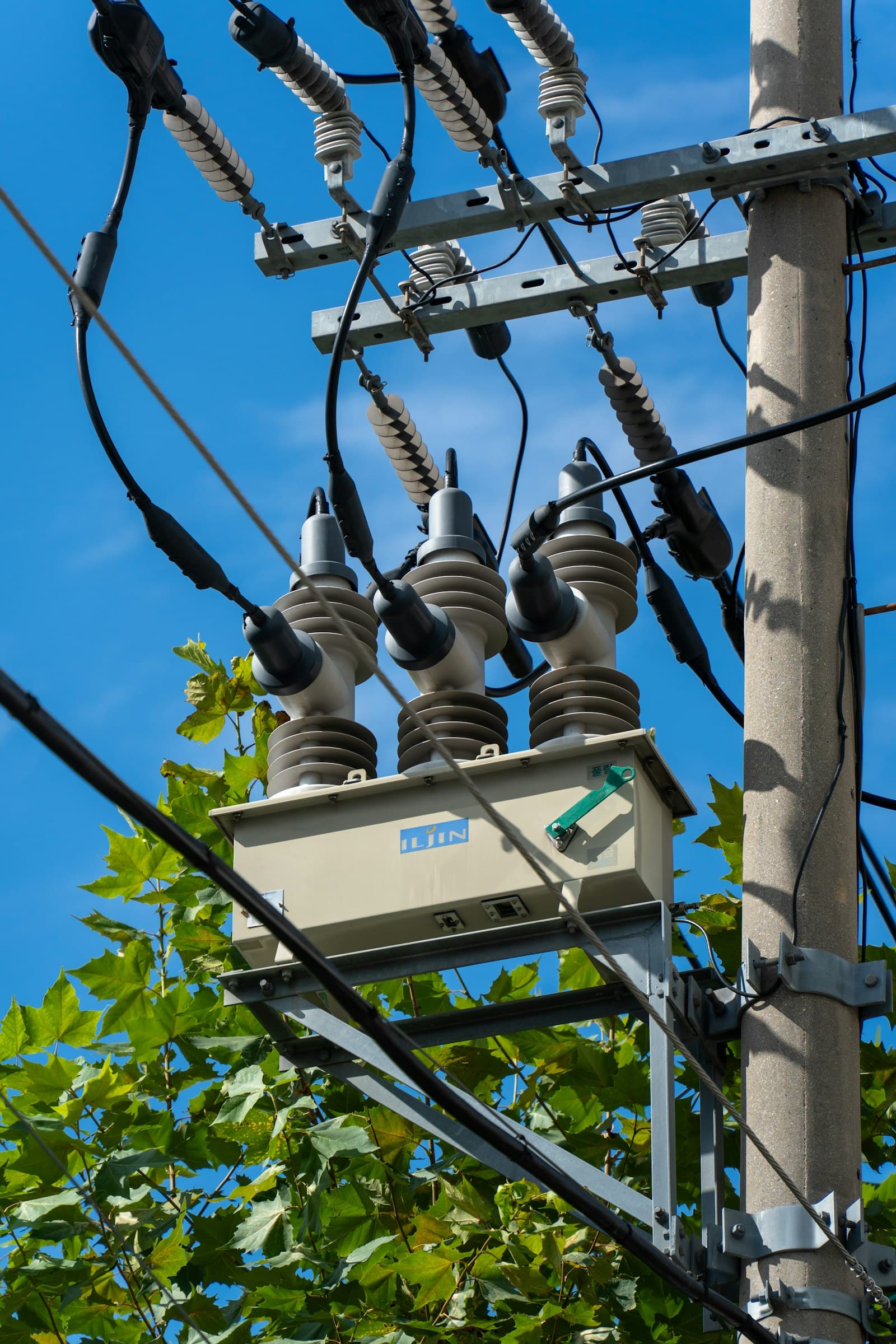
Cutout Fuse Switches: Dropout/open fuse cutouts for overhead lines; fuse blows on fault, link drops for visible indication. Typical ratings: 15–36 kV, 100–200 A fuse link, expulsion or current-limiting fuses. Standards: IEC 60282 (high-voltage fuses), ANSI C37.41 (cutout standards).
Applications: Overhead/underground distribution lines, ring networks, pole-mounted transformers, renewable connections, and substations — ensuring safe isolation, fault protection, and minimal downtime.
These are critical components for accurate measurement, insulation, overvoltage protection, and fault interruption in medium- and high-voltage systems. We supply premium, brand-new products from trusted manufacturers, ensuring precision, durability, and compliance for reliable performance in substations, industrial plants, utilities, and renewable energy projects.
Key Features:
Instrument Transformers (Current & Voltage Transformers - CTs & VTs): Provide scaled-down current/voltage signals for metering, protection, and control. Typical ratings: MV/HV ranges (up to 420 kV), accuracy classes 0.2–5P (metering/protection), ratios e.g., 100/1 A to 2000/1 A (CTs) or 36–380 kV primary (VTs), low-power options available. Standards: IEC 61869 series (general requirements, replacing older IEC 60044/61869 parts).
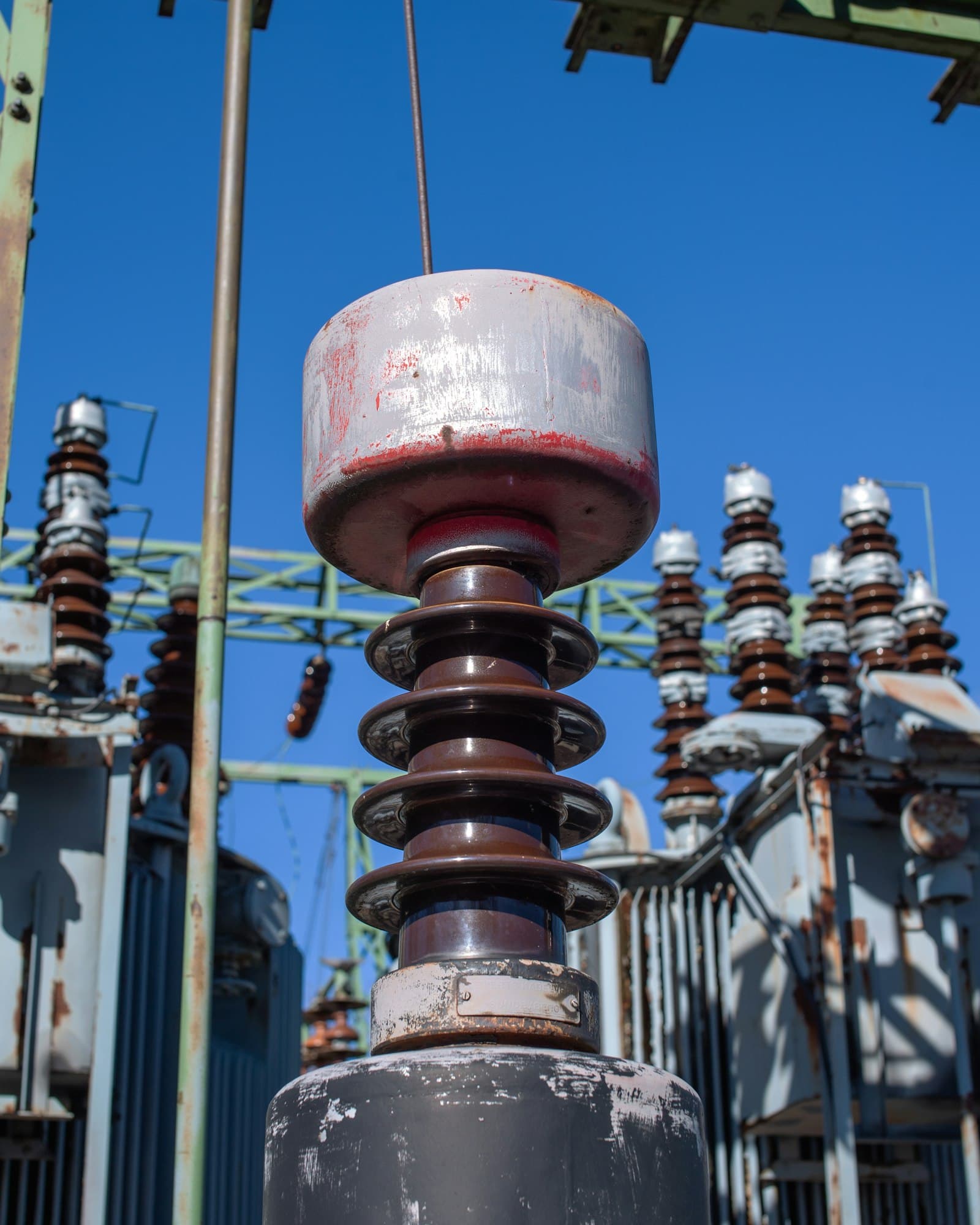
Insulators: Support and isolate conductors in overhead lines and substations. Types: Ceramic/glass (porcelain cap-and-pin or long-rod) and polymeric/composite (silicone rubber housing). Typical ratings: Nominal voltages >1 kV (up to 420 kV+), creepage distance for pollution levels, mechanical strength per IEC. Standards: IEC 60383 (ceramic/glass units), IEC 61109 (composite), IEC 62217 (polymeric definitions/tests).
Surge Arresters (Lightning Arresters): Protect equipment from lightning and switching overvoltages. Types: Gapless metal-oxide (most common) or gapped, polymer-housed or porcelain. Typical ratings: System voltages 1–420 kV, energy absorption up to 10 kJ/kV, discharge current classes (e.g., 5–20 kA). Standards: IEC 60099 series (Part 4 for gapless MO, Part 6 for gapped, etc.).
Fuses (High-Voltage): Provide overcurrent and short-circuit protection. Types: Current-limiting (back-up/general-purpose/full-range), expulsion/cutout. Typical ratings: 3.6–52 kV, breaking capacities up to 63 kA, currents 6.3–200 A+. Standards: IEC 60282-1 (current-limiting fuses), IEC 60282-2 (expulsion).
Cables and Accessories
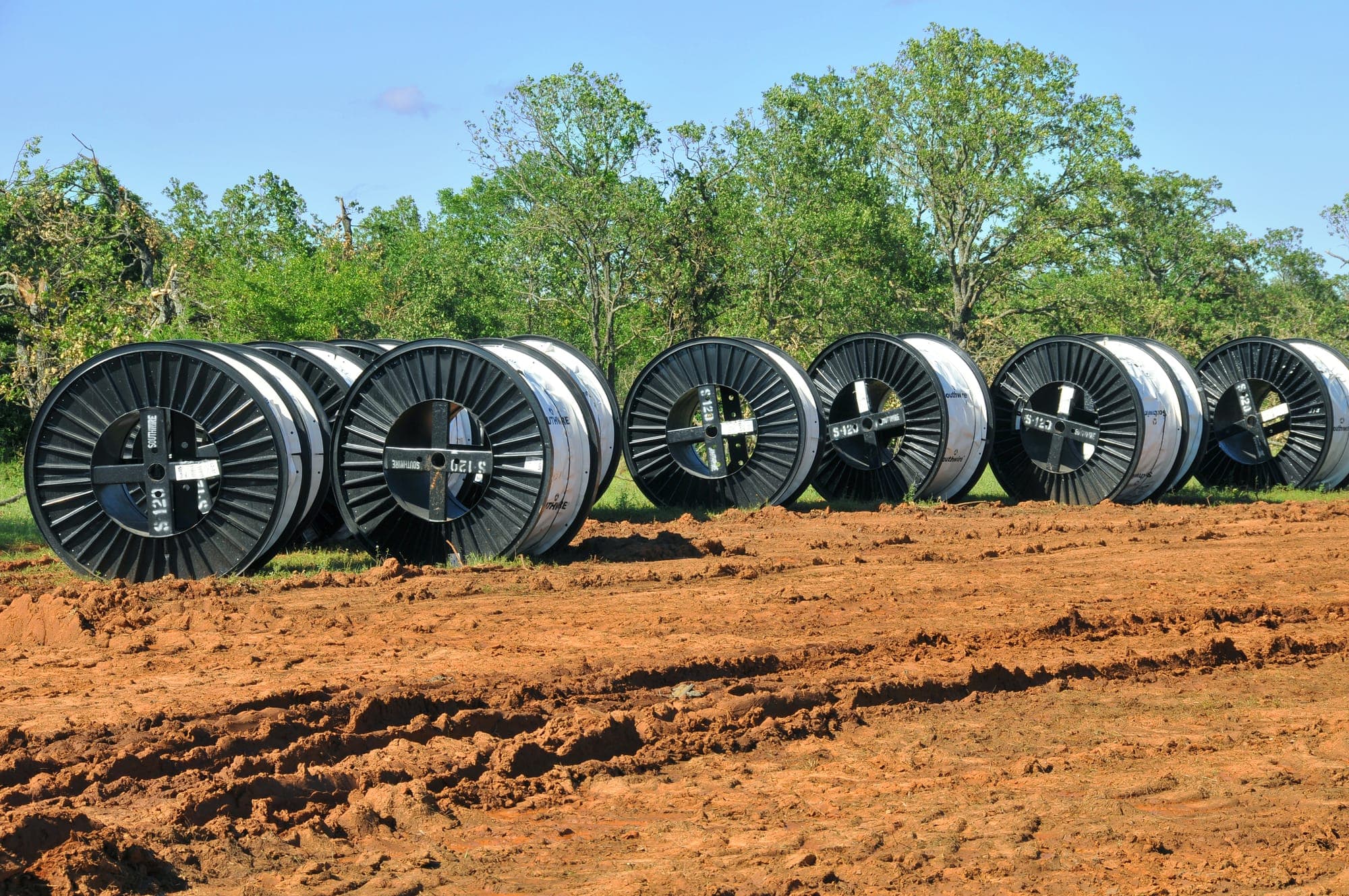
LV & MV cables
Heat Shrinkable termination kits
Plug-in connectors
Cable joints
Cable lugs
LV, MV overhead line hardware fittings and accessories
Protection Relays and Metering Devices
Protection relays
Energy meters
Digital and Analogue metering device
Annunciators
Transformers
Power Transformers
Power transformers are used in high-voltage transmission and large substations to step up or step down voltage with minimal losses. They are oil-immersed or dry-type units designed for continuous high-load operation, high short-circuit strength, and long insulation life.
Technical details:
Rated voltages: 36 kV – 420 kV (primary side), secondary voltages according to system requirements
Rated power: 5 MVA – 500 MVA (and above for special units)
Impedance voltage (Uk): usually 8–15 % (depending on system requirements)
Efficiency: ≥ 99.3–99.7 % at full load (depending on class and design)
No-load losses (P0): 0.05–0.25 % of rated power (lower with amorphous core)
Load losses (Pk): 0.15–0.40 % of rated power at 75 °C
Tap changer: On-load (OLTC) ±8–±20 steps (usually 16–33 positions), or off-circuit (de-energized)
Vector group: YNd1, Dyn11, YNyn0, etc.
Insulation class: A (105 °C) or higher; hot-spot temperature rise ≤ 78–98 K
Short-circuit withstand: typically 3–5 seconds at 2–2.5 × rated current
Main standards: IEC 60076-1 to -21, IEEE C57.12.00 / C57.12.90
Distribution Transformers
Distribution transformers step down medium voltage to low voltage for final end-user supply. They are usually oil-immersed (hermetically sealed or with conservator) or dry-type (cast-resin), designed for low losses, low noise, and outdoor/indoor installation.
Technical details:
Rated voltages: Primary 6–36 kV, secondary 400/230 V or 690 V
Rated power: 25 kVA – 5 000 kVA (most common 100–1 000 kVA)
Impedance voltage (Uk): 4–6 % (higher for special protection needs)
No-load losses (P0): 50–400 W (depending on rating and core type)
Load losses (Pk at 75 °C): 400–12 000 W
Cooling: ONAN (natural), dry-type AN (air natural)
Vector group: Dyn11 (most common), Dyn5, Yyn0
Temperature rise: Oil ≤ 60 K, winding ≤ 65 K; hot-spot ≤ 98 K
Noise level: 40–55 dB (A) depending on rating and enclosure
Short-circuit withstand: usually 2–3 seconds
Main standards: IEC 60076-1 / -2 / -11 / -13, IEC 60076-20 (energy efficiency), EN 50588 (EU efficiency tiers)
Dry Type Transformers
Dry type transformers use solid insulation materials like cast resin (epoxy) or vacuum pressure impregnated resin instead of oil. They are completely maintenance-free, fire-safe, and ideal for indoor installations, buildings, hospitals, data centers, and areas where oil-filled transformers are not allowed due to fire or environmental risks.
They operate with natural air cooling (AN) or forced air cooling (AF) and offer high reliability with very low partial discharge levels. These transformers are compact, environmentally friendly, and have excellent short-circuit strength.
Technical details:
Rated voltages: up to 36 kV primary (special designs up to 72.5 kV)
Rated power: 25 kVA – 25 MVA (most common 100 kVA – 5 MVA)
Impedance: typically 4–8 %
Efficiency: 98.5–99.5 % at 50–75 % load
Insulation class: Class F (155 °C) or Class H (180 °C)
Temperature rise: windings 100 K (Class F) or 125 K (Class H)
Partial discharge: <10 pC (often <5 pC)
Noise level: 40–65 dB(A)
Protection degree: IP00 to IP54/IP55
Main standards: IEC 60076-11, IEC 60076-1, IEC 60076-20
Special Transformers
Special transformers are custom-designed units built for specific industrial, functional, or system requirements that standard power or distribution transformers cannot meet. We supply premium, brand-new special transformers tailored to unique applications, ensuring precise performance, high reliability, and compliance with project specifications.
Technical details:
Earthing / Neutral Grounding TransformersUsed to create a neutral point in ungrounded or delta-connected systems. Rated voltage: 6–36 kV (primary), secondary usually 400 V or short-time rated Rated power: 50 kVA – 2 000 kVA (short-time rated) Impedance: 4–10 % (typical) Duration: 10 s – 30 s continuous short-time rating Standards: IEC 60076-1, IEC 60076-6
Rectifier / Furnace TransformersDesigned for DC rectification in industrial processes (electrolysis, arc furnaces, traction). Primary voltage: 6–36 kV Secondary voltage: 100–1 500 V (multi-winding, phase-shifted) Rated power: 500 kVA – 50 MVA Vector group: Multi-phase (e.g., Dy11d0, Dd0y11) Features: High harmonic tolerance, reinforced insulation, forced cooling Standards: IEC 60076-11 (dry-type) or IEC 60076-1 (oil-immersed), IEC 60146 (rectifier applications)
Auto-TransformersUsed for small voltage ratio adjustments in transmission or industrial networks. Rated voltage: 72.5–420 kV Rated power: 10 MVA – 500 MVA Ratio: Typically 1.1:1 to 1.5:1 Advantages: Lower losses and smaller size compared to two-winding transformers Standards: IEC 60076-1, IEC 60076-15 (gas-filled dry-type possible)
Isolation / Shielding TransformersProvide galvanic separation for sensitive loads or noise reduction. Voltage range: LV (up to 1 kV) or MV (up to 36 kV) Power range: 10 kVA – 5 MVA Features: Electrostatic shield between windings, low coupling capacitance Standards: IEC 61558 (safety isolating transformers), IEC 60076-11 (dry-type)
Generator Step-Up Transformers (GSU)Connect generators to the grid (often considered a special case of power transformer). Voltage: 10–36 kV generator side → 132–400 kV grid side Power: 5–500 MVA Features: High short-circuit strength, frequent load changes Standards: IEC 60076-1, IEEE C57.116 (GSU guide)
Resistors & Capacitor Banks
Resistors
Current Limiting Resistors
Current limiting resistors connect between the neutral point of a transformer/generator and ground to limit earth fault currents to a safe, controlled value. This reduces equipment damage, arc-flash risk, and allows fast, selective fault clearing by relays.
They are dry-type metallic resistors (stainless steel or nichrome) in ventilated enclosures, suitable for indoor or outdoor use.
Key technical points:
System voltages: up to 110 kV (common 6–36 kV MV)
Limited fault current: 10–5000 A (low-resistance 100–1000 A, high-resistance 5–25 A)
Resistance: 1–1000 Ω
Duty: 10 s, 30 s, 60 s or continuous
Temperature rise: up to 760 °C (short-time rated)
Standards: IEC 60076-25, IEEE 32 (legacy)
Applications: distribution networks, generators, industrial plants, OSBs, renewables
High Resistance Neutral Grounding Device
High Resistance Neutral Grounding Devices (also called HRG systems or High Resistance Neutral Grounding Resistors) connect a high-value resistor between the neutral point of a transformer/generator and ground. This limits single line-to-ground fault current to a very low level (typically 5–10 A or less), allowing the system to continue operating during the first fault while providing detection and alarm.
Key Features:
Fault Current Limitation: Restricts ground fault current to 5–10 A (or up to 25 A in some cases), far below solidly grounded systems (thousands of amps) but enough for reliable detection.
System Voltage: Common in low-voltage (480–690 V) and medium-voltage (up to 36 kV or 72.5 kV) systems; higher voltages possible with custom designs.
Resistance Value: High, often 1 Ω to 1000 Ω, chosen so fault current ≈ capacitive charging current of the system (to avoid transient overvoltages).
Duty/Time Rating: Usually continuous (for high-resistance type) or short-time (10–60 s) for monitoring/alarm purposes.
Advantages: Allows service continuity on first ground fault (no immediate trip), reduces arc-flash energy and equipment damage, suppresses transient overvoltages, safer touch voltages, easier fault location.
Disadvantages: Cannot serve line-to-neutral loads easily, requires monitoring of resistor integrity (open/short failure changes system behavior), first fault must be located and cleared promptly to avoid escalation.
Dynamic braking resistors (DB resistors or braking resistors) are high-power resistive loads connected to the DC bus of variable frequency drives (VFDs), servo drives, or inverters. They dissipate regenerated energy as heat when a motor is decelerated or overhauled, preventing overvoltage trips on the drive and enabling fast, controlled braking.
They are typically wire-wound or ribbon-type metallic resistors (stainless steel, nichrome, or iron-chromium-aluminum) mounted in ventilated, finned, or enclosed housings for efficient heat dissipation.
Key Features:
Purpose: Absorb excess regenerative energy from decelerating motors, protecting the drive's DC bus from overvoltage (typically >800–1000 VDC).
Resistance values: 5 Ω – 500 Ω (matched to drive voltage and braking torque requirements).
Power ratings: 1 kW – 500 kW+ continuous (most common 5–100 kW); peak power up to 10× continuous for short durations.
Duty cycle: Intermittent (e.g., 10–60 % ED – equivalent duty), short-time (5–30 s), or continuous (for frequent braking cycles).
Temperature rise: 300–800 °C surface temperature (depending on duty and enclosure); thermal time constant 100–300 s.
Voltage insulation: 1000–3000 V dielectric strength (AC or DC).
Protection degree: IP20–IP54 (open frame to enclosed with fans); optional thermal switches or PTC sensors for over-temperature protection.
Standards: IEC 60076-25 (resistors in general), IEC 60947-1 (low-voltage switchgear context), UL 508C (for drive accessories), EN 61800-5-1 (adjustable speed drives safety).
Renewable energy (wind turbine pitch control), electric vehicles, rail traction braking
Any VFD application with high inertia loads or downhill/overhauling operation
Generator Neutral Grounding and Leads Cubicles
Generator Neutral Grounding and Leads Cubicles (also called Generator Neutral & Leads Cubicles or NGC) are integrated panels that combine the three phases from a low-voltage (LV) or medium-voltage (MV) generator to form a neutral point. This neutral is then grounded through a resistor (NGR/NER) to limit earth fault currents, while the cubicle houses leads, current/voltage transformers, relays, and monitoring equipment for fault detection and protection.
They minimize generator damage during ground faults, ensure reliable fault sensing, and improve overall power system safety and continuity.
Key Features:
Neutral Formation & Grounding: Combines 3 phases inside the cubicle to create the neutral point, connected to ground via a neutral grounding resistor (NGR) for controlled fault current limitation.
Protection & Monitoring: Includes current transformers (CTs) on phases and neutral, neutral voltage transformer (VT), relays for fault detection, and optional ammeter/voltage indicators.
Ratings: Up to 17.5 kV (or 13.8 kV common), current capacity up to 5000 A, stainless steel resistor elements for high temperature/current endurance.
Standards: Manufactured to IEEE or IEC standards (e.g., IEC 60076-25 for NGR, IEEE 32 legacy).
Additional Components: Test terminals for CT/VT secondaries, circuit diagrams in terminal box, space heaters (anti-condensation), optional neutral isolating switch (NIS).
Applications: Synchronous generators in industrial plants, power stations, OSBs, renewable energy facilities, biomass/wind plants — ideal for generator protection, fault current limiting, and relay feedback.
Harmonic Filter Resistors
High Resistance Neutral Grounding Devices limit single line-to-ground fault current to a very low value (typically 5–10 A) by connecting a high-value resistor between the neutral point and ground. This allows the system to continue operating during the first fault, with alarms for detection and prompt clearing.
Key Features:
Fault current: 5–10 A (up to 25 A in some cases)
Resistance: High (often 100–1000 Ω, matched to system capacitive charging current)
Duty: Continuous or short-time (10–60 s)
Voltage: Up to 36 kV (common in LV/MV systems 480 V–13.8 kV)
Advantages: No immediate trip on first fault, reduced arc-flash energy, suppressed transient overvoltages, safer touch voltages
Applications: Data centers, hospitals, industrial plants, OSBs, renewables — where service continuity during first ground fault is critical.
Motor Starting and Control Resistors
Motor starting resistors (also called starting resistors or rotor resistors) are connected in series with the rotor windings of slip-ring induction motors during startup. They limit starting current, increase starting torque, and provide smooth acceleration. Once the motor reaches near full speed, the resistors are shorted out (via contactors or centrifugal switches).
They are typically wire-wound or ribbon-type metallic resistors (nichrome, stainless steel, or iron-chromium-aluminum) mounted in ventilated or enclosed banks for heat dissipation.
Key Features:
Purpose: Reduce inrush current (5–7× full-load current down to 1.5–3×), boost starting torque (up to 200–300% of full-load torque), and control acceleration.
Resistance values: 0.1 Ω – 50 Ω per phase (stepped in 3–7 stages for smooth starting).
Power ratings: 10 kW – 500 kW+ (matched to motor size and starting duty).
Duty cycle: Short-time (5–60 s per start), intermittent (multiple starts per hour).
Temperature rise: 300–700 °C surface (short-time rated); thermal switches for protection.
Voltage insulation: Up to 1000 V AC (or higher for MV motors).
Protection degree: IP20–IP54 (open frame to enclosed).
Any high-inertia or high-starting-torque application where direct-on-line starting would cause excessive current or mechanical stress
Neutral Grounding Resistors
Neutral Grounding Resistors connect the neutral point of a transformer or generator to ground. They limit earth fault current to a safe, predetermined value, protecting equipment from severe damage, reducing arc-flash hazards, and enabling fast, selective fault detection by relays.
They are dry-type metallic resistors (stainless steel or nichrome elements) in ventilated, weatherproof enclosures for indoor/outdoor use.
Key Features:
System voltages: up to 110 kV (common 6–36 kV MV)
Limited fault current: 10–5000 A (low-resistance 100–1000 A typical)
Resistance: 1–1000 Ω (calculated as R = V_phase / I_fault desired)
Duty: 10 s, 30 s, 60 s or continuous (low-resistance usually short-time)
Temperature rise: up to 760 °C (short-time rated)
Standards: IEC 60076-25, IEEE 32 (legacy)
Applications: Generators, distribution networks, industrial plants, OSBs, renewables
RC Filters
Purpose: Reduce voltage spikes, limit rate of rise of voltage (dv/dt), suppress ringing/oscillations, damp resonance, or filter high-frequency harmonics/noise.
Configuration: Series RC (snubber across breaker/contactor), parallel RC (across load or line), or RC network in filter banks.
Snubber circuits across circuit breakers, contactors, thyristors (to limit dv/dt and protect semiconductors)
Harmonic damping in detuned filter banks or power factor correction units
Noise suppression in VFDs, inverters, UPS systems, and renewable energy converters
Transient protection in MV switchgear, traction systems, and industrial drives
Capasitor Banks
Capacitor banks are assemblies of capacitors connected in parallel (or series-parallel) to provide reactive power compensation, improve power factor, reduce system losses, stabilize voltage, and increase system capacity. They are used in low-voltage (LV) and medium-voltage (MV) networks to correct inductive loads and comply with utility power factor requirements.
They come in fixed, switched (automatic), or detuned (with reactors) types, housed in metal enclosures with protection, control, and discharge devices.